



Chemical Peel in Ankara
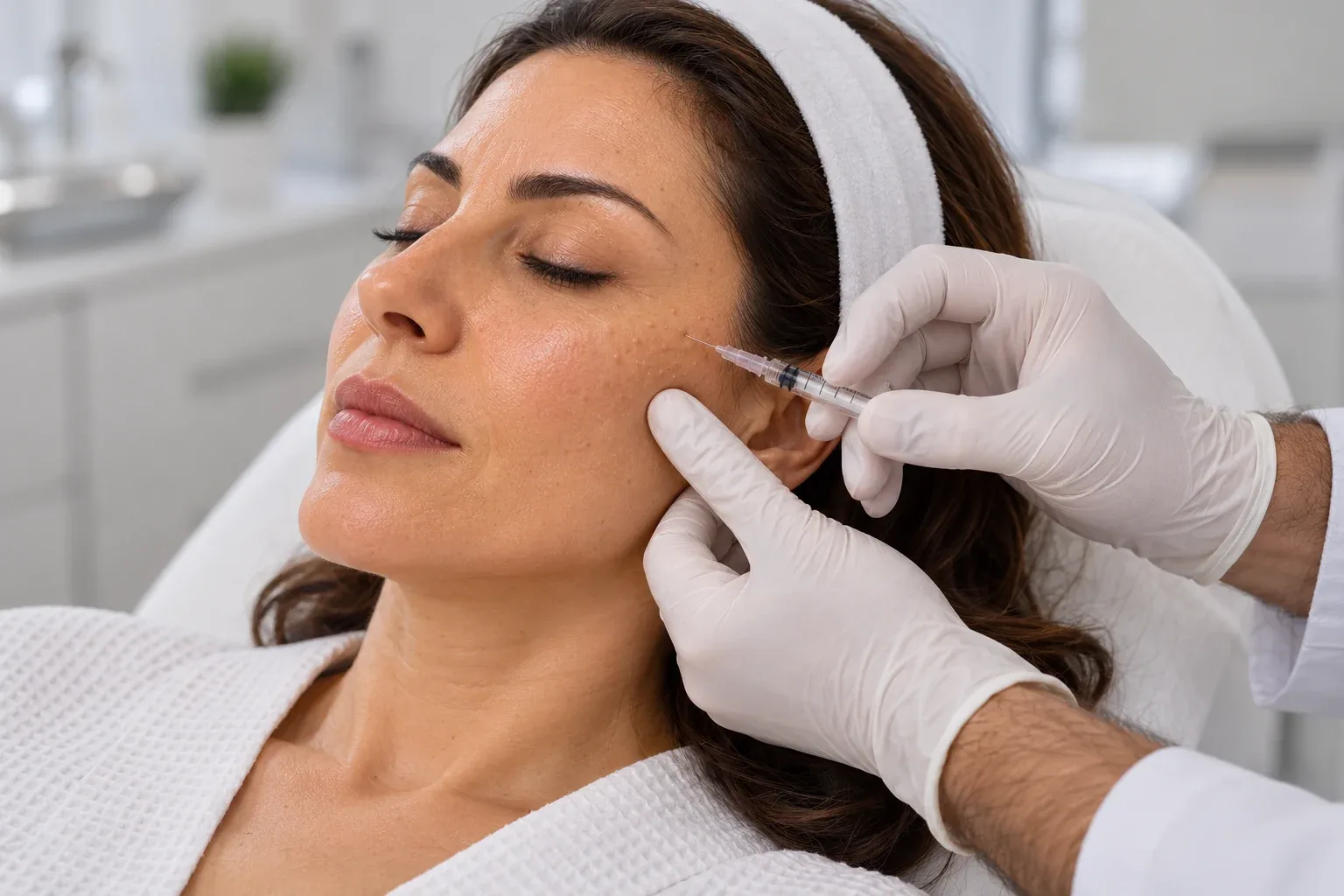
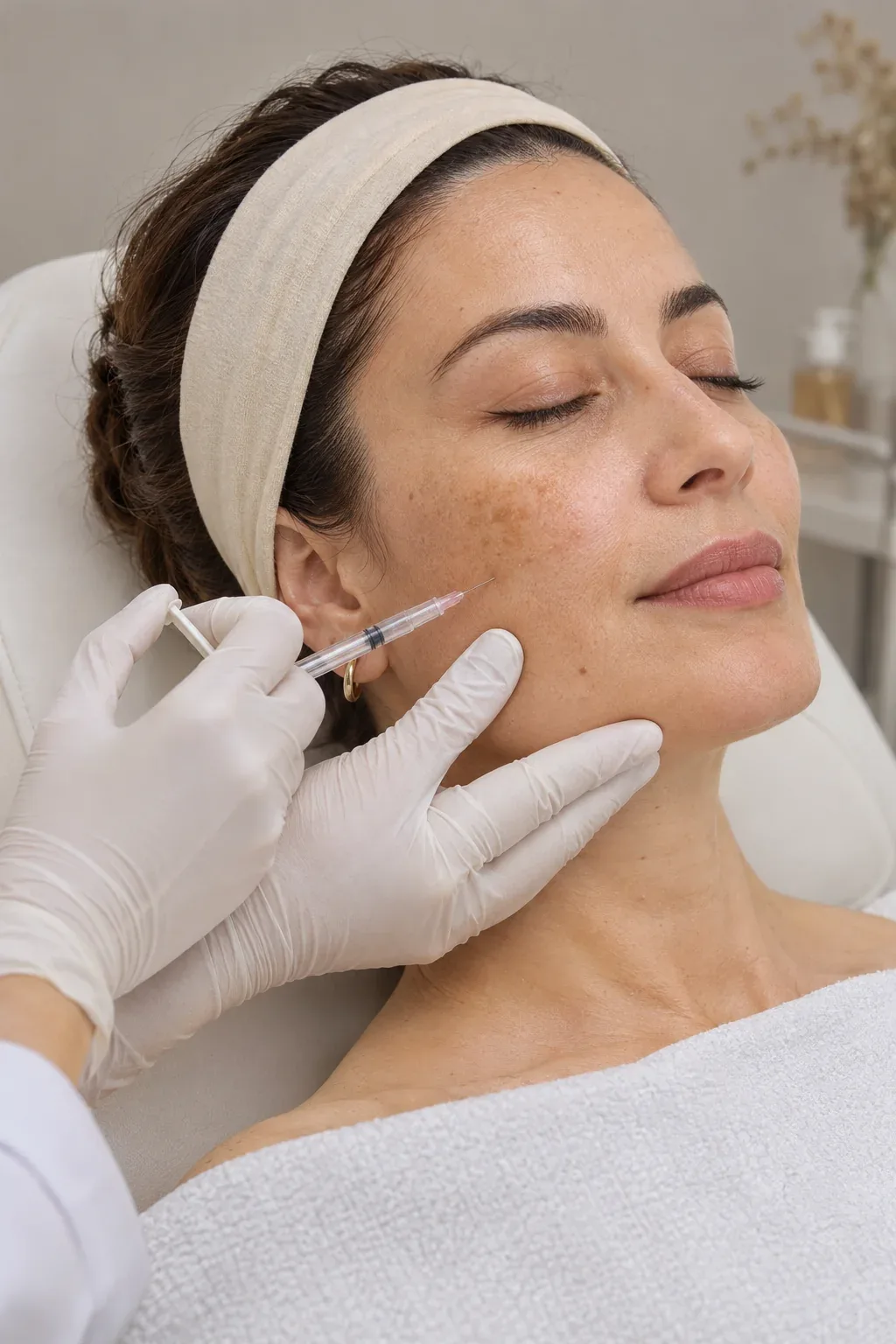
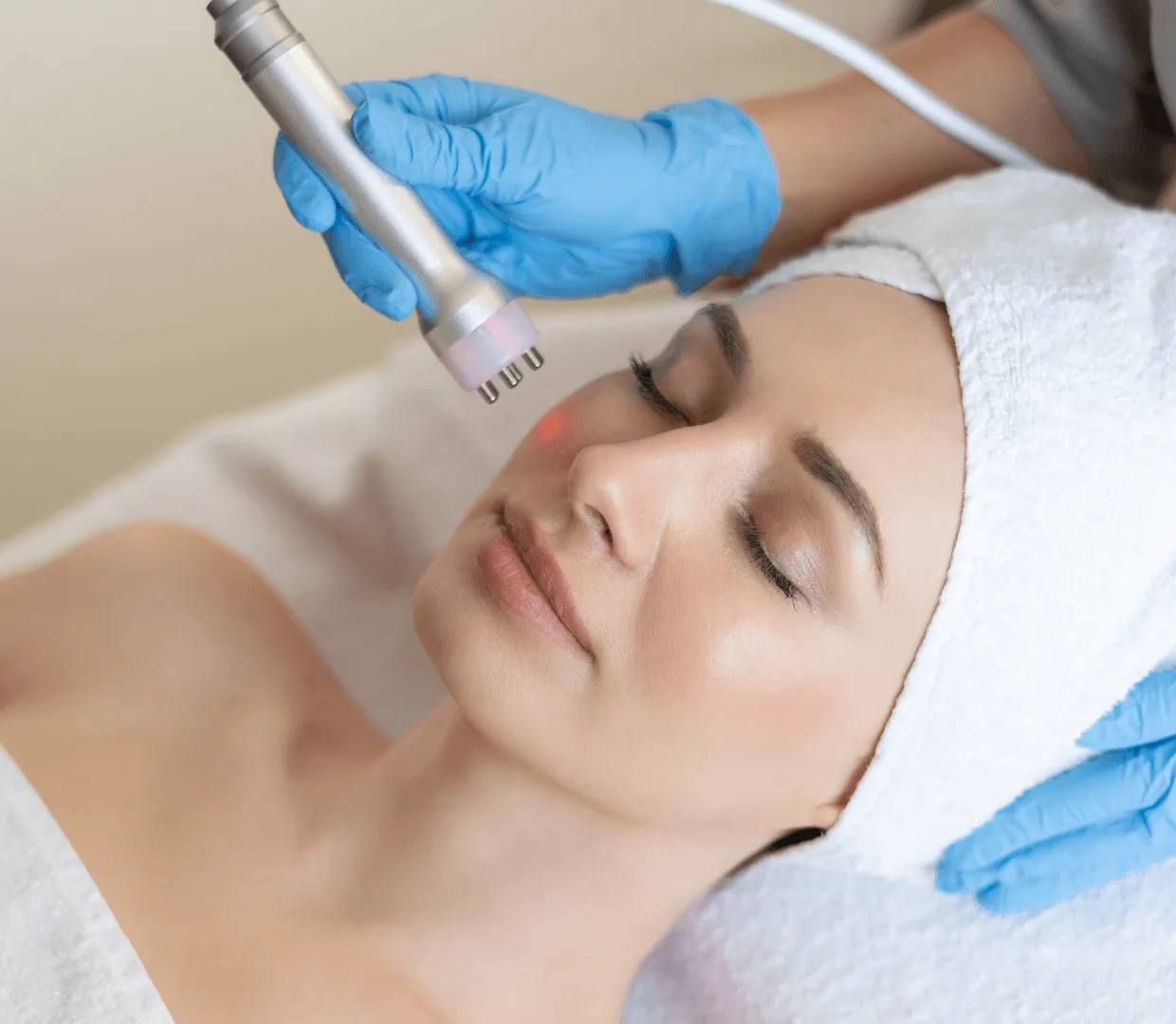
A chemical peel is a treatment that uses a special solution to remove the top layer of skin in a controlled way, reducing the look of dark spots, acne scars, fine lines and uneven tone. Dead cells lift away and newer cells reach the surface. At Dr. Özgür Koldaş Polyclinic (Tunalı Hilmi, Ankara, Turkey), your solution and depth are chosen at consultation.
- Treatment time
- 30-60 minutes
- How it feels
- Mild burning or stinging
- Sessions
- Varies by person
- Recovery
- Depends on peel depth
Who is it for?
- You are bothered by acne or the look of acne scars
- You have sun spots or hyperpigmentation
- You want to soften age-related fine lines
- Your skin tone looks uneven
- Your skin feels dry or looks dull
How does it work?
- 01
Consultation
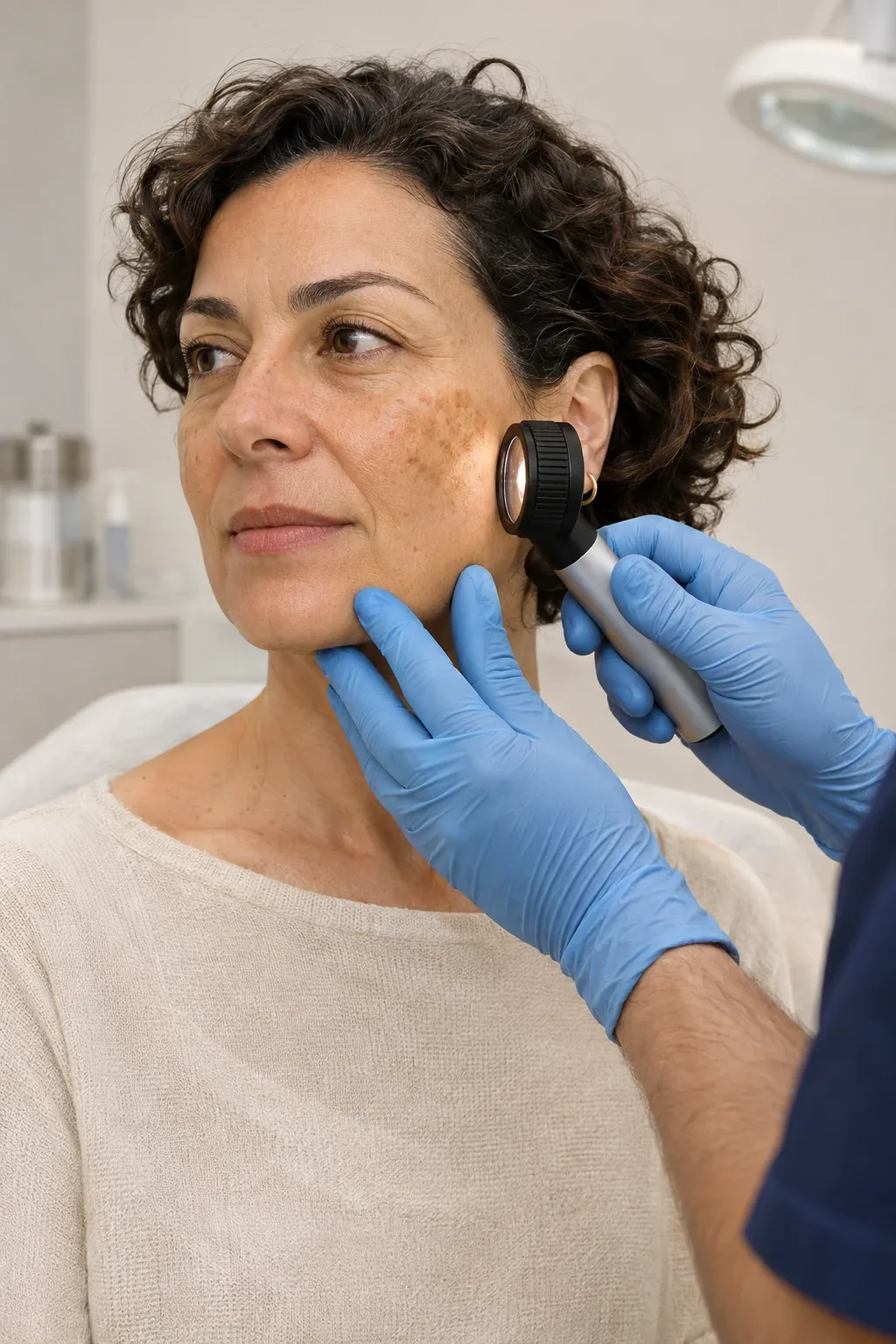
Medical aesthetics physician Dr. Özgür Koldaş assesses your skin. The peel type that suits your concern and skin type is chosen.
- 02
Preparation
Before treatment, you use the skincare products and sunscreen your doctor recommends. You avoid anything that could irritate your skin.
- 03
Treatment
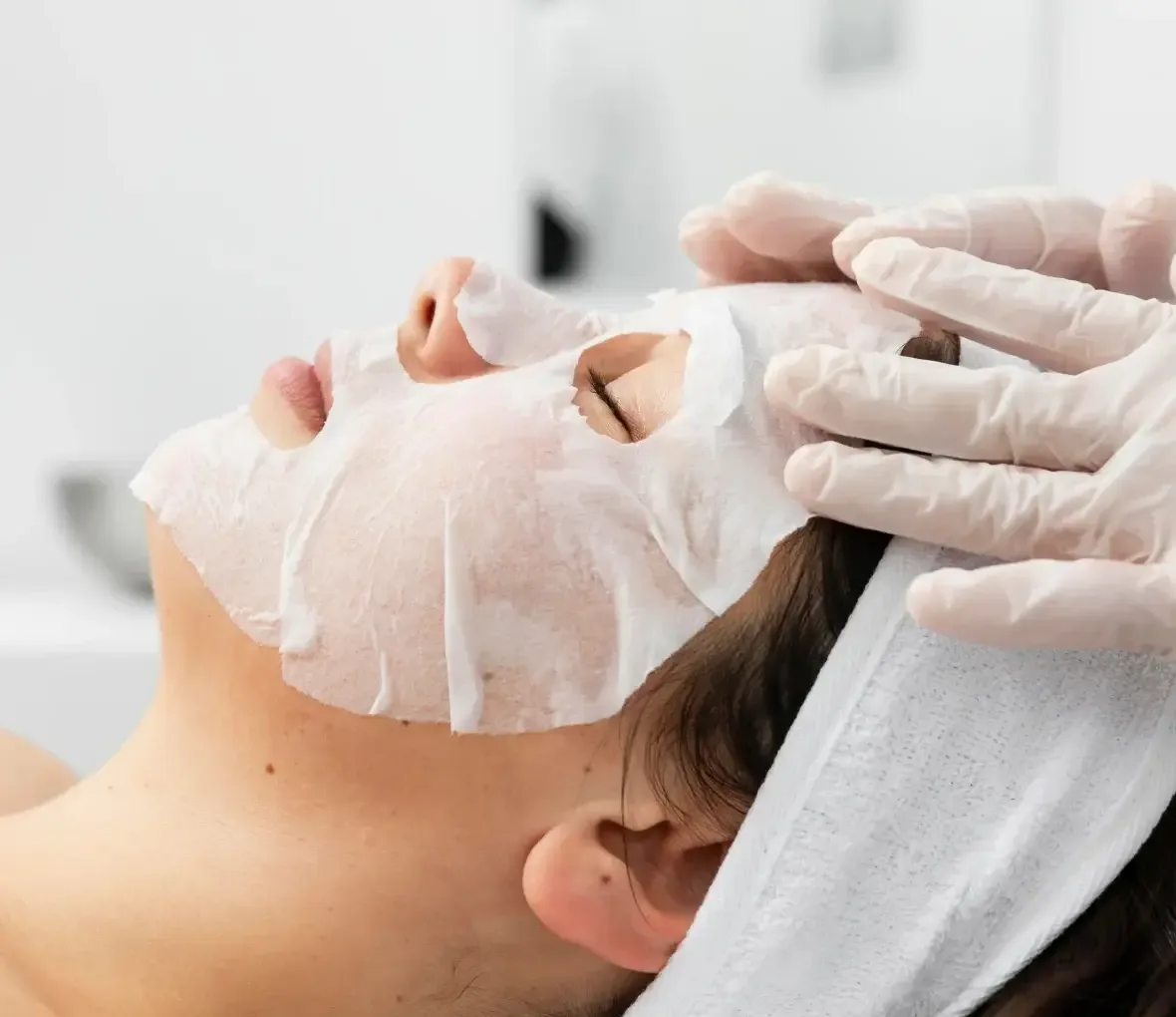
The chosen solution is applied to your skin and left on for a controlled time. It usually takes 30-60 minutes. You may feel mild burning or stinging.
- 04
Recovery
Temporary redness, mild swelling and peeling can appear. How long this lasts depends on the depth of the peel.
- 05
Session plan
Further sessions are planned if needed. Your doctor decides the number based on your concern and skin type.
What are the types of chemical peel and how do they differ?
There are three types of chemical peel: superficial, medium and deep. The difference is how far the solution reaches into your skin.
As depth increases, both the concerns it targets and the recovery time change.
A superficial peel works only on the very top layer. It is used for fine lines, light spots and dryness, and recovery is short.
A medium peel reaches the middle layers of the skin. It is used for acne scars, sun spots and more visible wrinkles.
A deep peel reaches deeper layers and is considered for more significant skin concerns. Recovery takes longer.
You and your doctor decide together which type suits you at the consultation.
What skin problems can a chemical peel help with?
A chemical peel is most often used for acne and acne scars, sun spots, hyperpigmentation, fine lines and uneven skin tone. The aim is to renew the top layer and reduce how visible these concerns are.
For dark spots, the goal is a lighter colour. For fine lines, a softer look. Overall, a more even tone.
How much change you see varies from person to person. It depends on the type and depth of your concern and your skin type.
How long does it take to recover from a chemical peel?
Recovery depends on peel depth. It is short after a superficial peel, from a few days to a week after a medium peel, and longer after a deep peel.
Redness and peeling are expected during this time.
Your skin is more sensitive to the sun while it heals. Protecting it from the sun and using a high-factor sunscreen and moisturiser are an important part of the process.
What are the side effects of a chemical peel?
The most common side effects are temporary redness, mild swelling and peeling. These are usually part of normal healing.
In rare cases, changes in skin colour or infection can occur.
Choosing the right peel type at consultation and following the before and after care advice are the main ways these risks are managed.
After your treatment
- Avoid direct sunlight. Your skin is more sensitive during this time.
- Use a high-factor sunscreen.
- Moisturise your skin regularly.
- Follow the skincare routine your doctor recommends.
- While redness and peeling last, avoid anything that could irritate your skin.
When is it not suitable?
- You have an active skin infection
- You are pregnant
- You are breastfeeding
- You have recently been treated with isotretinoin
How much does chemical peel cost?
The price of a chemical peel depends on the peel type, the solution used, the skin concern being treated and the number of sessions you need. That is why a single price would not be accurate. Your price becomes clear once your skin is assessed and a treatment plan is made. At your free consultation, you learn both the right approach for you and the price.
Frequently asked questions
Does a chemical peel hurt?
+
You may feel mild burning or stinging during the treatment. Most people find this tolerable. How strong it feels depends on the type of peel and on you as an individual.
How long does a chemical peel take?
+
A chemical peel usually takes 30-60 minutes. The exact time can vary depending on the type of peel chosen and the area being treated.
How many chemical peel sessions will I need?
+
The number of sessions depends on your concern and your skin type. Your doctor assesses your skin at the consultation and creates a treatment plan tailored to you.
Who should not have a chemical peel?
+
A chemical peel may not be suitable if you have an active skin infection, are pregnant or breastfeeding, or have recently been treated with isotretinoin. Always tell your doctor about any medicines you take.
What happens to my skin after a chemical peel?
+
You may have temporary redness, mild swelling and peeling. In rare cases, changes in skin colour or infection can develop. If you notice any of these signs, contact your doctor.
How should I prepare for a chemical peel?
+
Use the skincare products and sunscreen your doctor recommends regularly before treatment. During this time, avoid anything that could irritate your skin.
Can I go out in the sun after a chemical peel?
+
You should avoid direct sunlight, because your skin is more sensitive after treatment. When you do need to go outside, use a high-factor sunscreen and keep your skin moisturised.
How much is right is decided at your consultation.
Leave your details and our patient coordinator will contact you. The consultation is free; product, amount and price are explained there.
WhatsApp +90 561 614 24 24